
A Sindhi wedding invitation often opens with a blessing to Jhulelal, the patron deity of many Sindhi families, names the bride and groom with their parents and family, and lists the functions in order: from the berana satsang and dev bithana to the saanth, the mehndi, the wedding and the reception. Sindhi weddings are known for their warmth, their food and their music, and the invitation can carry that spirit. A guide to the functions, and wording in English and Hindi, follows.
Every family differs
Customs vary between Sindhi families, and many families combine Sindhi rituals with those of the communities around them. Treat this as a general picture, and follow your elders.
Functions guests may be invited to
What the invitation includes
- A blessing at the top, often to Jhulelal, Ganesh or the family deity.
- The bride's and groom's names, with their parents' names.
- The functions in order, each with its date, time and venue.
- The hosts' names, and often the relatives who welcome guests.
- Dinner details, since Sindhi hospitality is central to every function.
English wording
The names, dates and places below are examples.
Jai Jhulelal
Mrs. Kavita and Mr. Ramesh Lalwani
request the pleasure of your company
at the wedding of their daughter
Simran
with
Karan
son of Mrs. Neeta and Mr. Suresh Advani
Sunday, 17 January 2027
Laavan at 7 pm, followed by dinner
Sindhu Bhavan, Ulhasnagar
Berana satsang: Thursday, 14 January, 11 am
Saanth: Friday, 15 January, 10 am
Mehndi and sangeet: Saturday, 16 January, 7 pm
Wedding: Sunday, 17 January, 7 pm
Hindi wording
॥ जय झूलेलाल ॥
हमारी सुपुत्री सिमरन का शुभ विवाह
चि. करन (सुपुत्र श्रीमती नीता एवं श्री सुरेश आडवाणी)
के साथ होना निश्चित हुआ है।
इस मंगल अवसर पर आप सपरिवार सादर आमंत्रित हैं।
निवेदक: श्रीमती कविता एवं श्री रमेश लालवानी
Many Sindhi families write in Hindi or English, and some use Sindhi, in the Devanagari or Perso-Arabic script. If you'd like a Sindhi line, ask an elder who reads it to write or check it.
Design
Sindhi invitations often use Jhulelal imagery, the fish and the water associated with him, Ajrak block-print patterns in deep red and indigo, and bright, celebratory colours. An Ajrak border is a lovely regional touch that many Sindhi guests recognise at once. Keep the text clear and the functions on separate pages for a digital invitation.
Practical notes
- List every function with its own time and venue; Sindhi weddings often have many.
- Mention the food: Sindhi families take pride in their hospitality, and guests look forward to it.
- Separate versions for guests invited only to the wedding or the reception.
- Dress codes: bright colours for the sangeet, traditional dress for the wedding.
Family-only functions
If the saanth or the berana is a family-only function, send its details only to close family. A digital invitation can have a separate version for the wider guest list.
Sindhi hospitality
Sindhi weddings are famous for their food and their welcome. Many families serve Sindhi dishes at the functions, such as sai bhaji, koki, dal pakwan and sweets like ghiyar, alongside the wedding menu. If your family is planning a Sindhi menu for one function, say so on the invitation; guests from the community will look forward to it, and guests from elsewhere will be curious to try it.
The berana satsang
The berana is often the first function of a Sindhi wedding, a prayer gathering with bhajans and devotional songs, sometimes with a priest, where the family seeks blessings for the wedding. It's usually attended by close family and friends, and it sets a devotional tone for the days of celebration that follow. Many families serve a simple meal or prasad afterwards.
Guests from other communities
Sindhi weddings often welcome many guests from other communities, and a short line explaining one or two rituals, such as the saanth or the berana, helps them feel part of it. A page with the functions, what happens at each and what to wear is especially useful for colleagues and friends attending their first Sindhi wedding.
Related guides
The Punjabi wedding invitation guide and the Marwari wedding invitation guide cover neighbouring traditions, and the Hindi wedding card matter guide has more Hindi lines. More are under weddings across India.
Questions people ask
How does a Sindhi wedding card begin?
Often with a blessing to Jhulelal, such as ॥ जय झूलेलाल ॥, or to Ganesh or the family deity.
What is the saanth ceremony?
A pre-wedding ritual in which oil is poured on the bride's or groom's head, and in many families a new shoe is worn and broken.
What is berana satsang?
A prayer gathering with devotional songs, often the first function of a Sindhi wedding.
What are laavan in a Sindhi wedding?
The wedding rites around the sacred fire.
What design suits a Sindhi wedding invitation?
Ajrak block-print borders in deep red and indigo, Jhulelal imagery, and bright celebratory colours.
Ready-made wedding invitations
Open any design in the editor, put in your own names, dates and wording, and share the invitation link on WhatsApp.
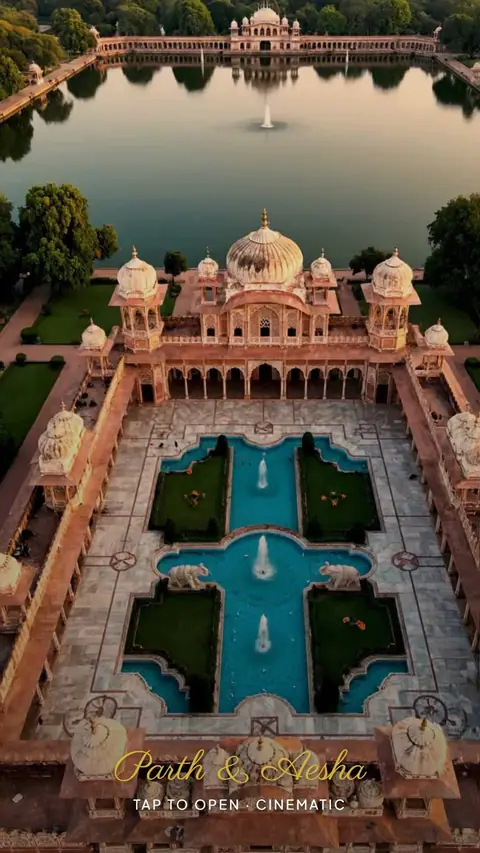 Royal Palace Journey Cinematic Wedding Invitation₹3,499inc. GST, was
₹6,998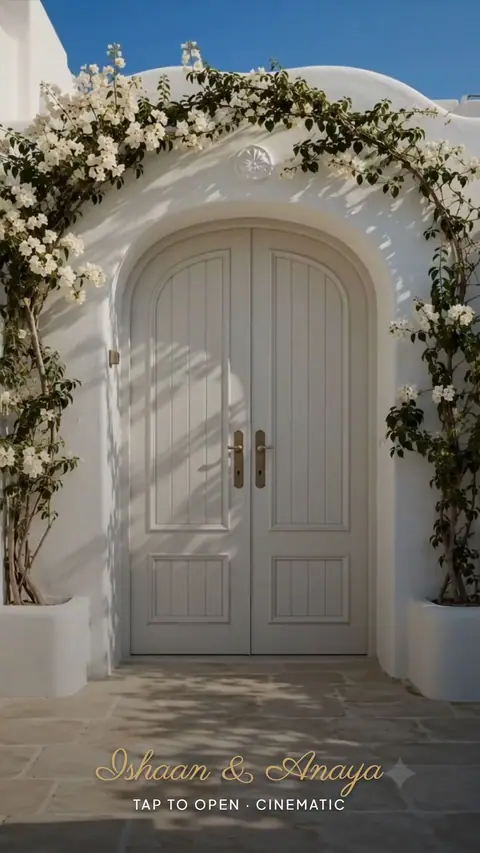 Santorini White Gate Cinematic Wedding Invitation₹2,499inc. GST, was
₹4,998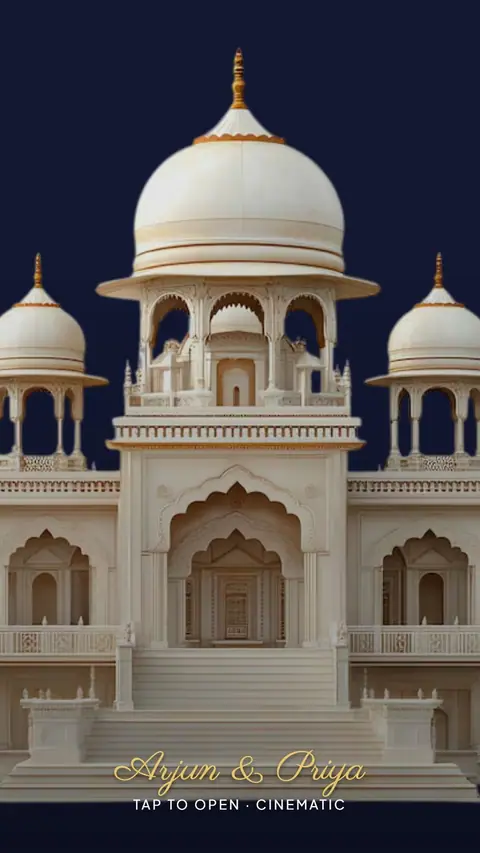 Royal Garden Wedding Invitation₹1,999inc. GST, was
₹3,998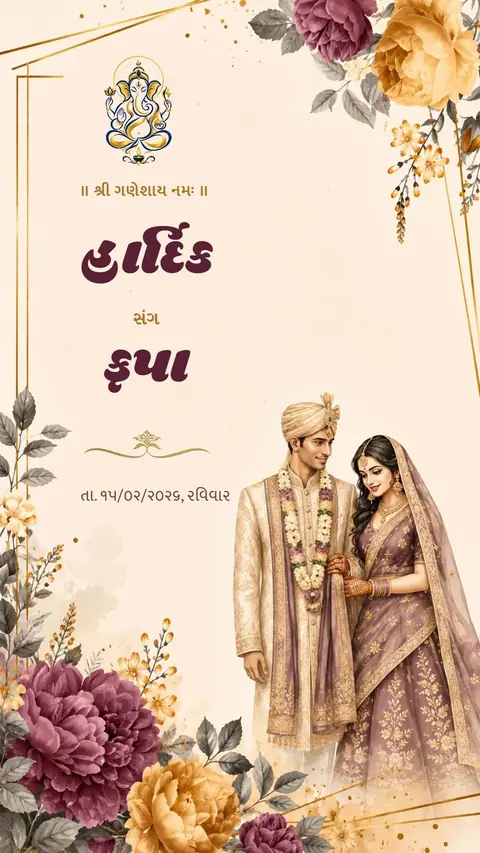 Royal Floral Wedding Invitation₹1,999inc. GST, was
₹3,998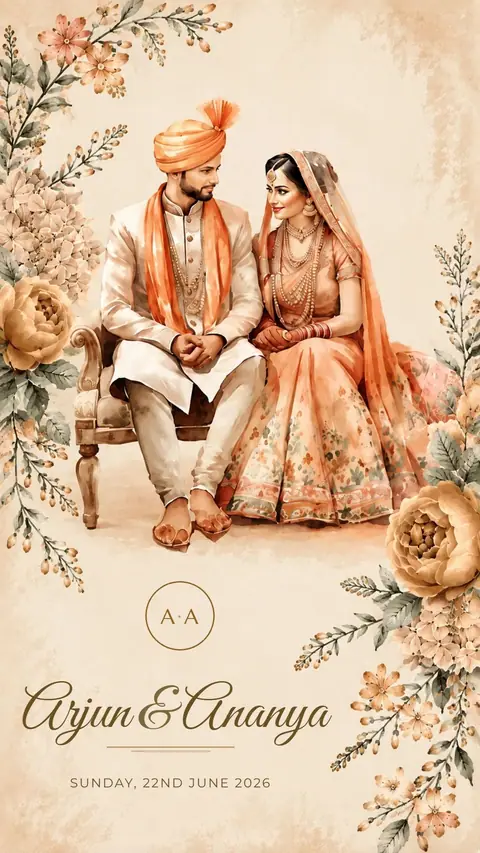 Golden Peach Wedding Invitation₹1,999inc. GST, was
₹3,998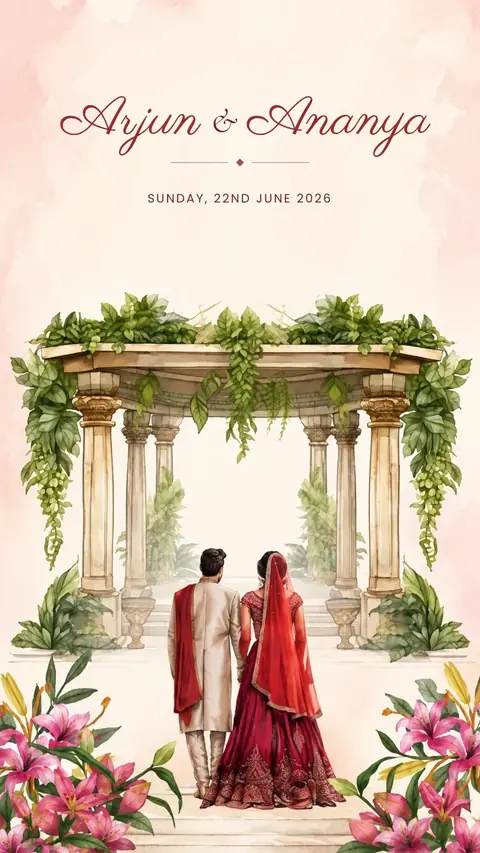 Floral Indian Wedding Invitation₹1,999inc. GST, was
₹3,998 Udaipur Palace Wedding Video Invitation₹1,999inc. GST, was
₹3,998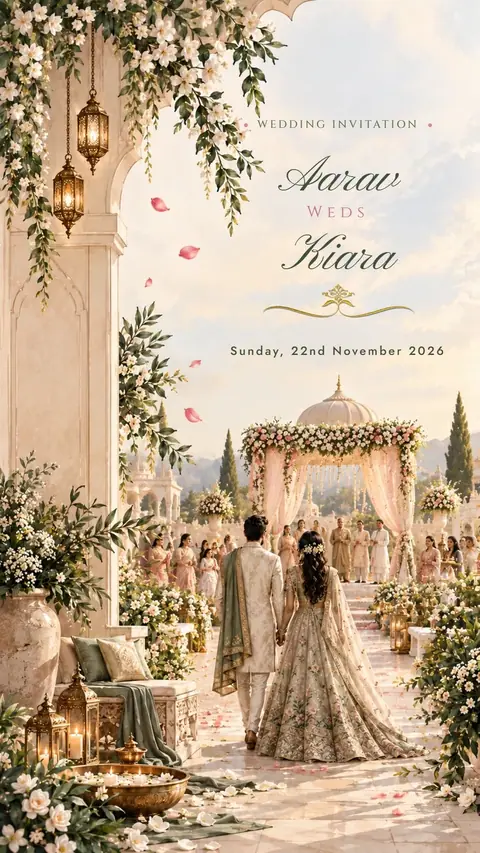 Destination Wedding Invitation₹1,999inc. GST, was
₹3,998
Filed under Weddings across India
Written by ShubhLink Editorial Team
The team behind ShubhLink's invitation templates and ShubhLink AI. We write down what families ask us most, and check each guide before it goes live.