
A dress code tells guests what to wear, and at an Indian wedding with several functions, it's one of the details guests check most. Write it clearly for each function, in plain words: “Traditional”, “Indo-western”, “Yellow, and clothes you don't mind staining”. Explain any term guests might not know, and give a practical note where it helps. This guide explains common dress codes and how to word them.
Common dress codes
By function
How to word it
Dress code: traditional
Dress code: shades of yellow. Turmeric stains, so wear something you don't mind.
Dress code: Indo-western, and comfortable shoes for dancing
Dress code: all white
ड्रेस कोड: पारंपरिक परिधान
ડ્રેસ કોડ: પરંપરાગત પોશાક
Dress codes for the families
Many families coordinate their own outfits for each function: the bride's side in one colour, the groom's in another, or both families in a shared palette for the photos. These are usually agreed within the families rather than written on the invitation. If you do coordinate, tell close family early, since outfits for several functions take time to arrange.
Jewellery and accessories
A dress code rarely needs to mention jewellery, but practical notes help: light jewellery for the haldi, nothing that can catch on a lehenga during garba, and safe storage at a busy venue. For guests travelling, a reminder to keep valuables secure is a thoughtful touch.
Footwear
Footwear is easy to forget and often matters most. Pujas and mandaps usually mean shoes off, so guests appreciate knowing. Lawns and farmhouses are hard in heels. Sangeets call for shoes you can dance in. A short note, such as “comfortable shoes, the sangeet is on the lawn”, saves a lot of discomfort.
Explaining for guests from elsewhere
Colleagues, friends from other communities and guests from abroad may not know what “Indo-western” or “sangeet wear” means. A short line helps: “Indo-western: a fusion of Indian and western styles, such as a kurta with jeans or a gown with Indian embroidery.” A page with each function's dress code and a sentence of explanation is one of the most appreciated parts of a digital invitation.
Practical notes
- Haldi: clothes that can get stained.
- Pujas: floor seating, so comfortable clothes; shoes off.
- Outdoor evenings in winter: shawls and jackets.
- Temples and gurudwaras: covered heads at gurudwaras, modest clothing.
- Dancing functions: comfortable shoes.
Weather notes
Add the weather to the dress code where it matters, such as “nights are cold, bring a shawl”. It's the note guests thank you for most.
Religious venues
Temples, gurudwaras, churches and mosques have their own expectations. At a gurudwara, guests cover their heads and remove shoes; at many temples, shoes come off and modest dress is appreciated; at a church or mosque, modest dress suits the occasion. Mention these on the invitation where a function is at a religious venue, especially for guests who may not know.
Children
Children's outfits rarely need a dress code, but a colour theme can be fun for them too. For a haldi, keep children in old clothes; for a long evening, something comfortable that they can sleep in on a chair. Parents appreciate the practical note more than a strict code.
Colour themes
Colour themes for each function make beautiful photos and help guests plan. Announce them early, ideally in the save the date or the invitation, so guests have time to find outfits. Keep them flexible: “shades of pink” is easier than an exact colour. Don't expect elders to follow themes strictly.
Keep it reasonable
Avoid dress codes that are hard or expensive for guests to follow, especially for long weddings with many functions. A flexible colour theme is kinder than a strict one.
If a guest doesn't follow it
Some guests won't follow the dress code, whether because they didn't see it, couldn't find an outfit, or preferred not to. Welcome them warmly regardless. A dress code is a guide to help guests feel comfortable, not a test. The photos will be lovely either way.
Related guides
The wedding functions schedule guide shows how to present dress codes with the schedule, and the destination wedding guide covers weather and packing. More are under wedding invitations.
Questions people ask
What does Indo-western mean on an invitation?
A fusion of Indian and western styles, such as a kurta with jeans or a gown with Indian embroidery.
What should I wear to a haldi?
Yellow, in clothes you don't mind staining, since turmeric marks clothes easily.
How do I write a dress code on an invitation?
Plainly, for each function, with a short practical note where it helps.
What is festive formal?
Rich traditional wear or formal western wear, often for a reception.
Should I give each function a colour theme?
It makes beautiful photos, but keep themes flexible and announce them early.
Ready-made wedding invitations
Open any design in the editor, put in your own names, dates and wording, and share the invitation link on WhatsApp.
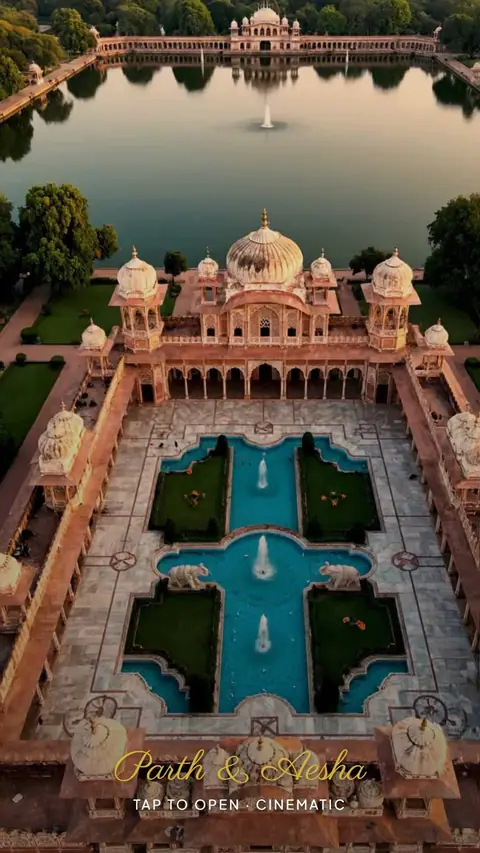 Royal Palace Journey Cinematic Wedding Invitation₹3,499inc. GST
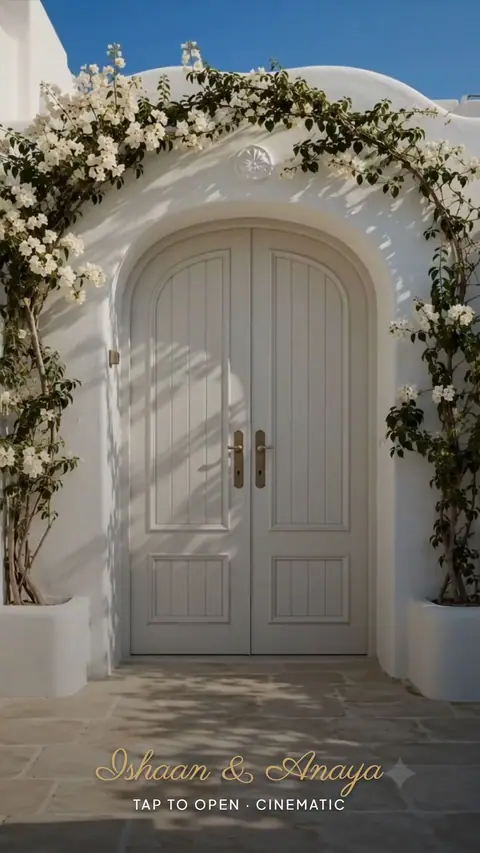 Santorini White Gate Cinematic Wedding Invitation₹2,499inc. GST
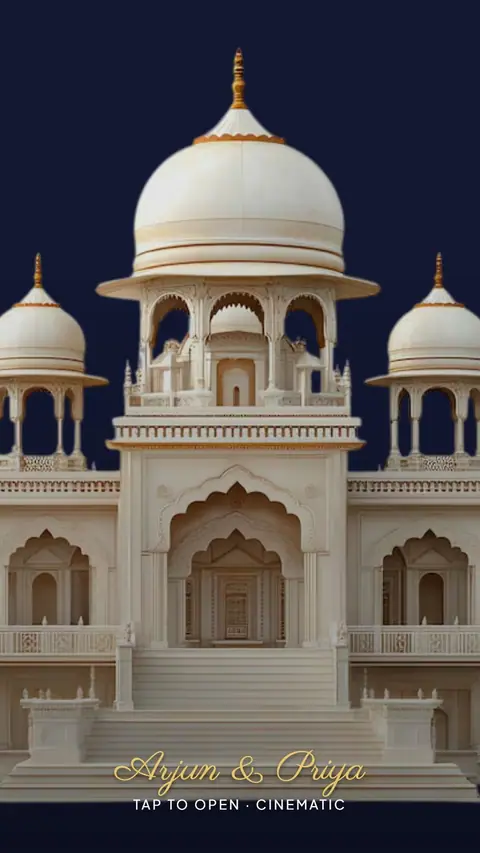 Royal Garden Wedding Invitation₹1,999inc. GST
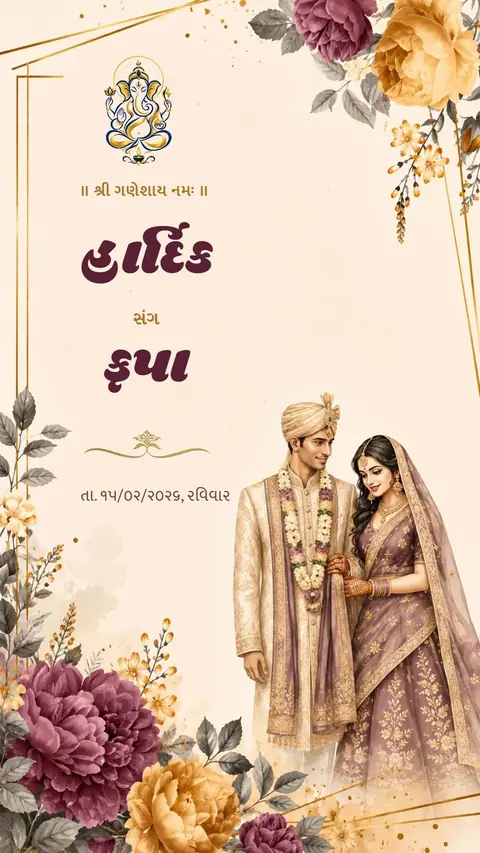 Royal Floral Wedding Invitation₹1,999inc. GST
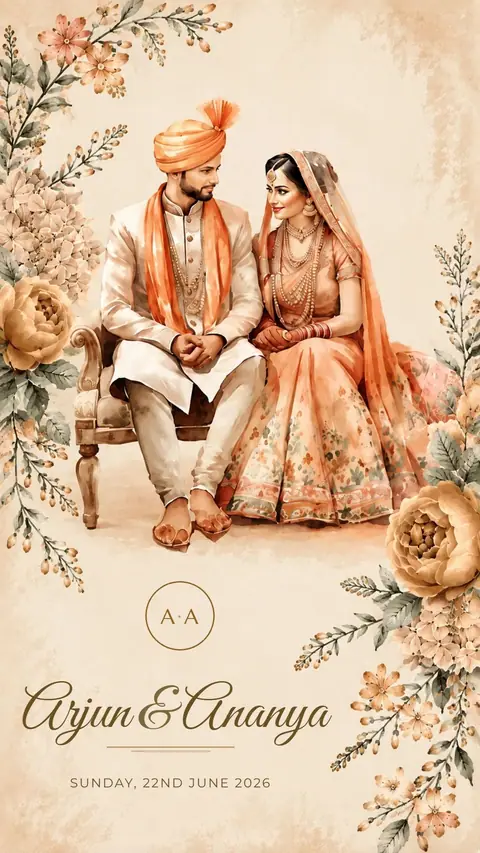 Golden Peach Wedding Invitation₹1,999inc. GST
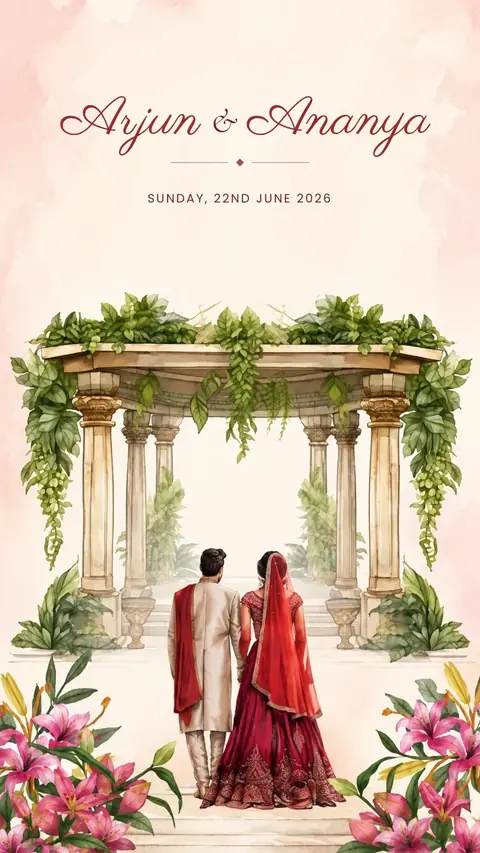 Floral Indian Wedding Invitation₹1,999inc. GST
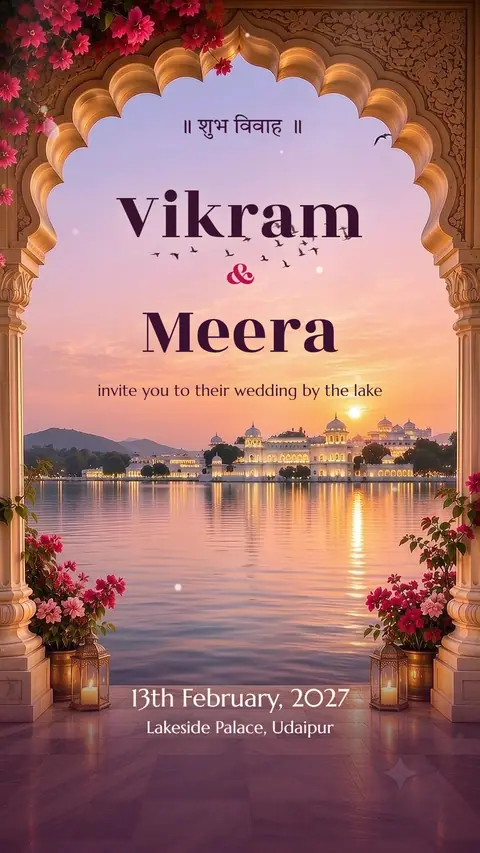 Udaipur Palace Wedding Video Invitation₹1,999inc. GST
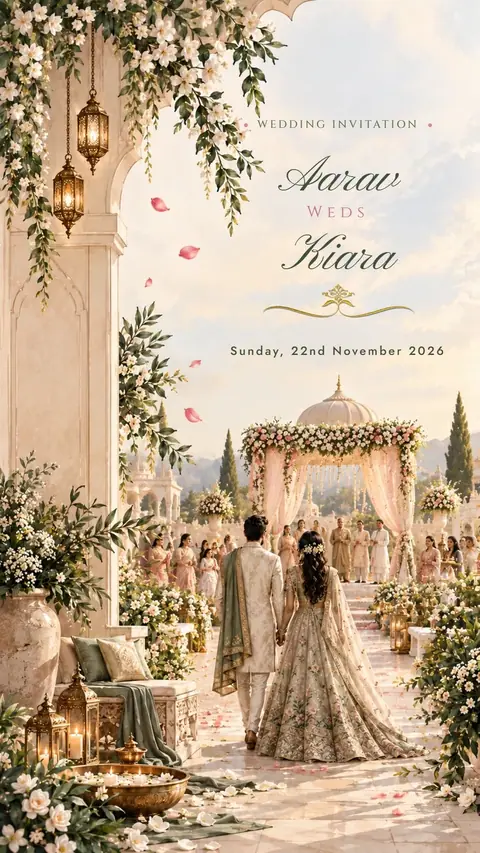 Destination Wedding Invitation₹1,999inc. GST
Filed under Wedding invitations
Written by ShubhLink Editorial Team
The team behind ShubhLink's invitation templates and ShubhLink AI. We write down what families ask us most, and check each guide before it goes live.